About the Foundation
Guarding what is ancient, serving what is present
Acharya Shanti Sagar Foundation is a non-profit trust, established in 2019, working across manuscript conservation, rural infrastructure and community services — heritage and humanity, treated as one commitment.
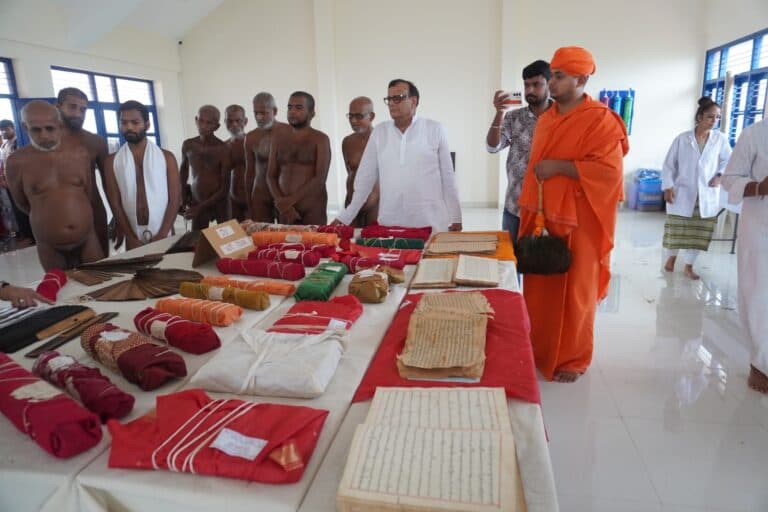
Charitra Chakravarti Acharya Shri 108 Shanti Sagar Ji Maharaj
1872 – 1955
The Foundation carries the name and upholds the tradition of Acharya Shri 108 Shanti Sagar Ji Maharaj, the first Acharya of the twentieth-century Digambar revival — the figure whose teachings shaped ASSF's founding philosophy.
India Post issued a ₹5 commemorative stamp and first-day cover in his honour. The centenaries of his Muni Deeksha and of his Acharya Pad Pratishthapana are the occasion for the current conservation programme.


क्रिया करनी चाहिए तब अपना कार्य सिद्ध होता है।
परस्परोपग्रहो जीवानाम्
Parasparopagraho JivanamAll life is bound together in mutual support.
Heritage and humanity, bound together
Preserving an ancient manuscript protects knowledge carried across generations. Strengthening a rural community helps create the conditions in which people can live, learn and grow with dignity. For the Foundation, these are not two missions — they are one.
Mission, vision and values
To guard what is ancient,Manuscript Conservationserve what is present,Community Servicesand build what is needed.Rural Infrastructure
To carry forward a way of living shaped by conscious, compassionate and non-violent values — preserving the knowledge that expresses those values and putting them into practice through service.
Values — five principles, one way of life
- अहिंसा
- Every decision, every programme, every relationship begins with the same question: does this cause harm?
- सत्य
- Ancient knowledge preserved without distortion, communities served without pretence, and complete transparency in how the Foundation works.
- अपरिग्रह
- Enough is a philosophy. Resources entrusted to the Foundation flow directly toward education, heritage and community upliftment.
- अनेकान्तवाद
- Custodians, communities and institutions are engaged with humility and openness — across sects, regions and backgrounds.
- करुणा · सेवा
- Not withdrawal from the world, but service to it: philosophy put into action in classrooms, communities, and the quiet work of preserving what must not be lost.
How the mission takes shape
Manuscript Conservation
Preserving Knowledge Written by Hand
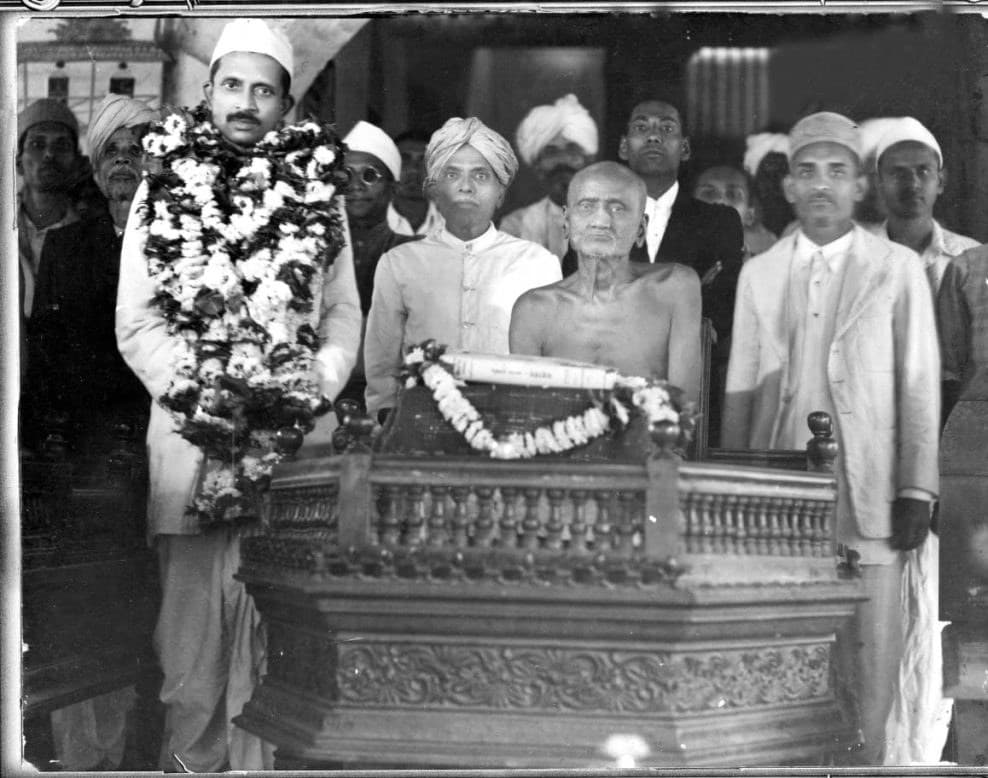
Scientific conservation of fragile palm-leaf and handwritten-paper manuscripts — assessed, treated, documented, archivally housed and digitised.
Explore Manuscript ConservationRural Infrastructure
Creating Spaces That Serve Communities
Community halls, staff accommodation and public sanitation built where a missing facility limits what a village can do.
Explore Rural InfrastructureCommunity Services
Responding Where the Need Is Immediate
Free medical camps, education support and emergency relief, shaped by what each community is actually facing.
Explore Community ServicesThe work, as it looks
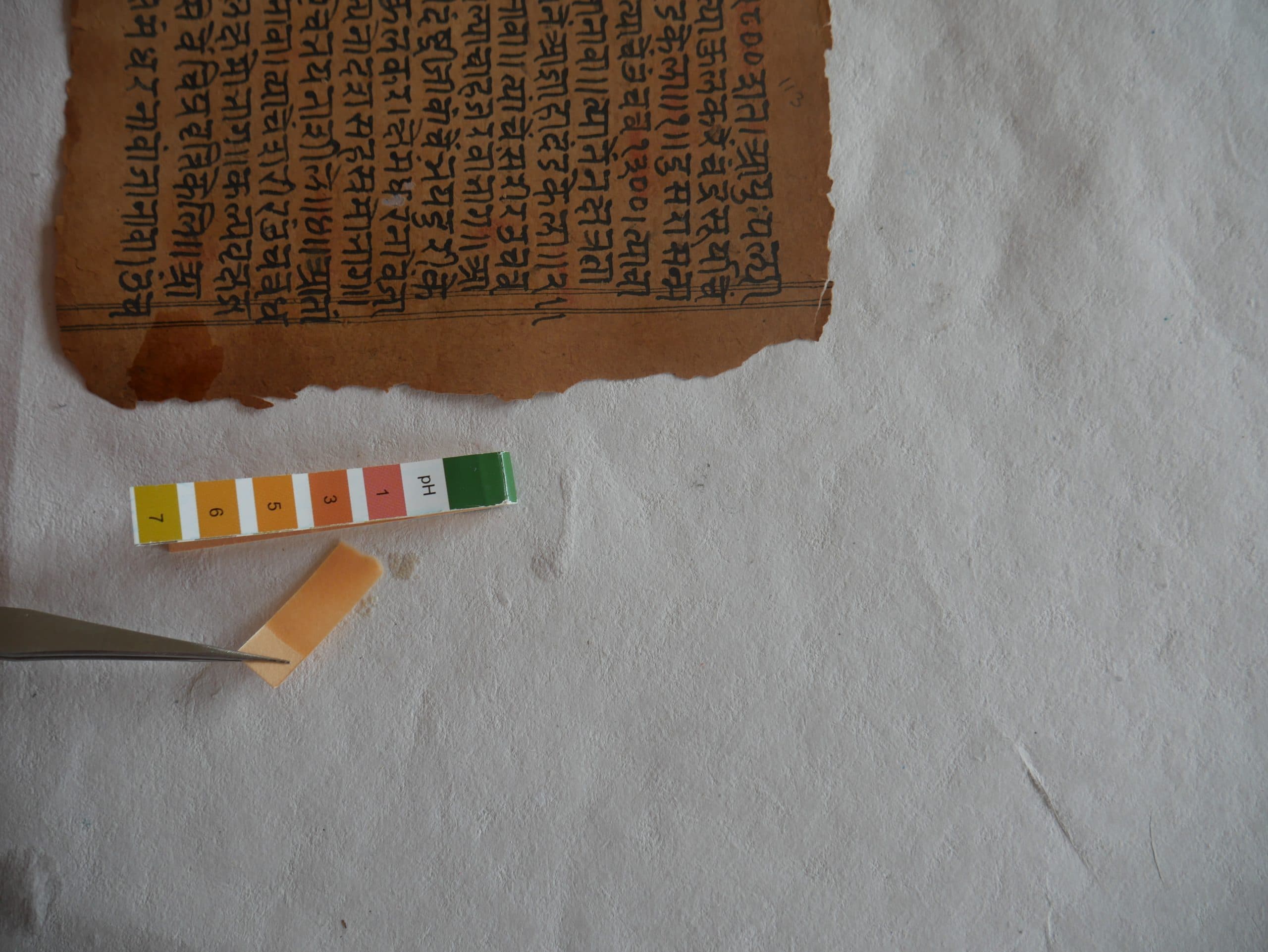
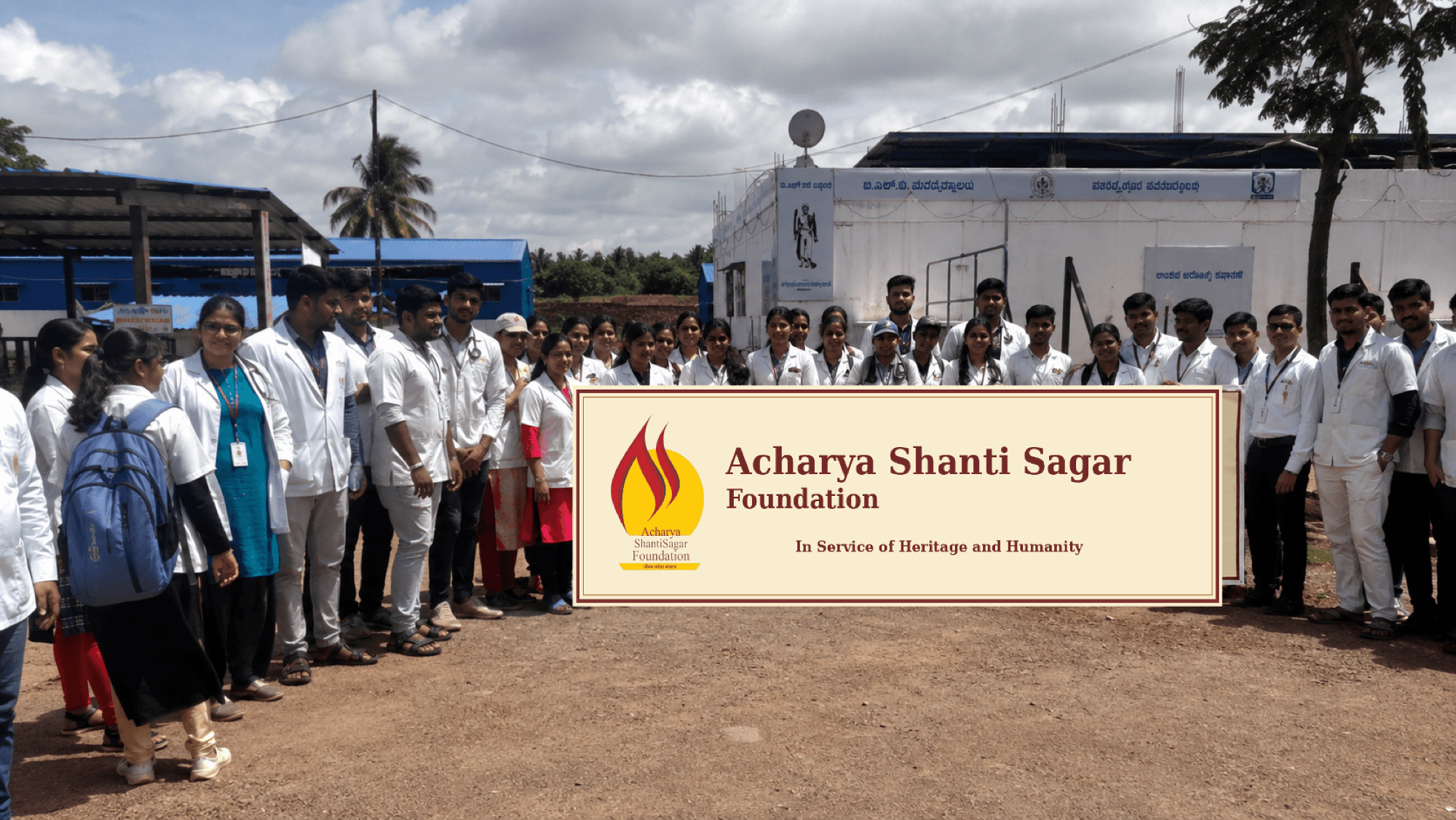
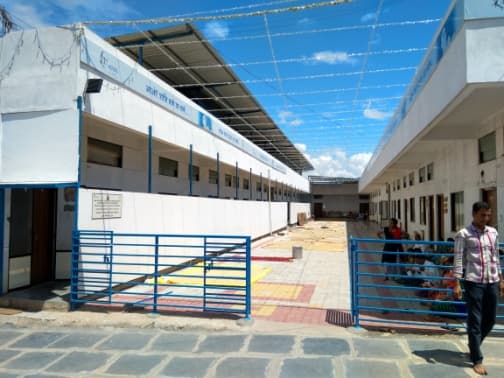

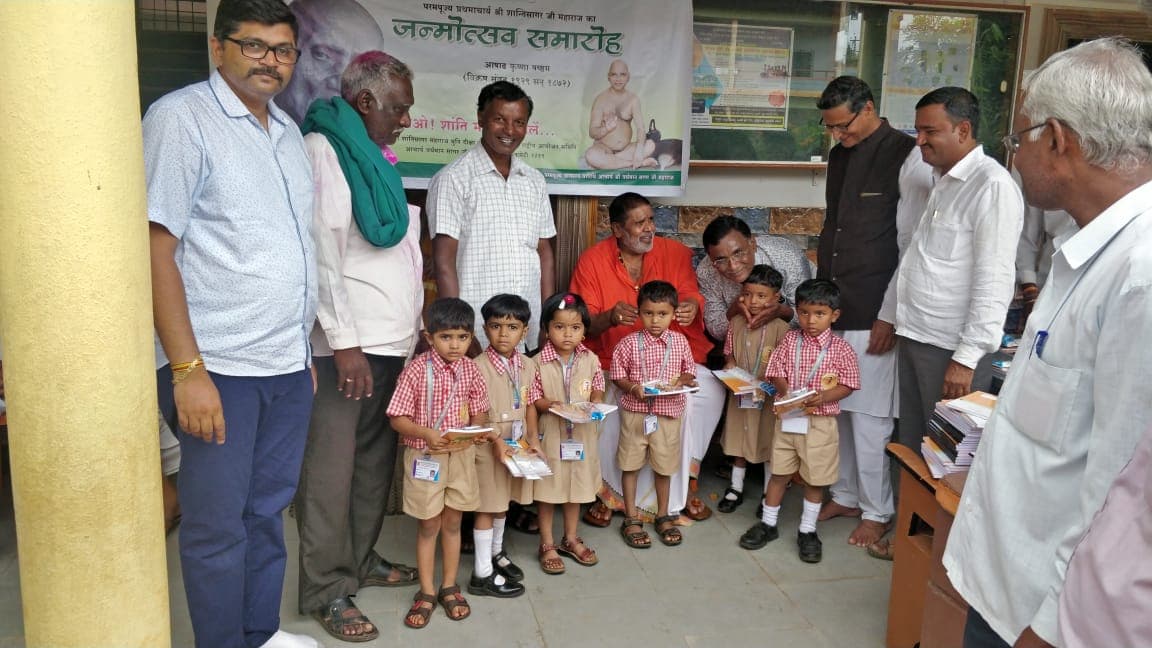
Restoration of Tadpatras
The Foundation's own short film on the Kumbhoj Bahubali programme — documentation, treatment and digitisation, filmed during the conservation work itself. In Hindi.
What remains is far greater than what is conserved
To understand the scale of the need, the Foundation surveyed repositories across Karnataka, Maharashtra and Tamil Nadu — visiting collections in person, photographing representative material, and recording storage conditions with custodians.
| Measure | Karnataka | Maharashtra | Tamil Nadu | All States |
|---|---|---|---|---|
| Repositories surveyed | 3 | 6 | 9 | 18 |
| Manuscripts documented | 7,118 | 4,591 | 972 | 12,681 |
| Folios documented | 10,75,520 | 4,59,708 | 1,79,700 | 17,14,928 |
- 10,75,520
Karnataka
Folios documented by survey
- 4,59,708
Maharashtra
Folios documented by survey
- 1,79,700
Tamil Nadu
Folios documented by survey
Each line is drawn to the same scale.
In Service of Heritage and Humanity